
The System
Tip Number One:
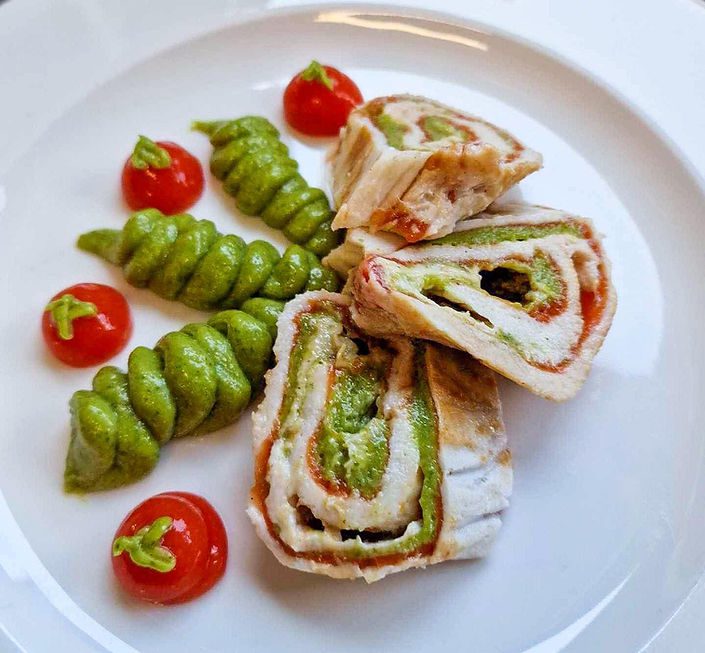
Plan each meal around vegetables and fruits. The Cooking for Dysphagia cookbook contains a big section on veggies with tasty ways to cook them. Fill one serving dish with veggies, grilled, steamed or roasted. Served with a whole grain, such as quinoa, barley or farro, or a mashed potato or sweet potato or pasta is a good way to add veggies to a side dish.
The trick to making delicious vegetables is the flavoring: lemon juice and olive oil, salt and white pepper. One can also add grated parmesan cheese and let it melt. Sometimes the simplest is the most delicious.
Cook the veggies in a delicious way. Steaming, roasting and slow cooking are best. No overcooked and boiled veggies. Slow bake four sweet potatoes at once. Mash. Freeze in individual containers. You have six servings.
A steamed vegetable makes a delicious quick soup. Veggies are good in soup recipes, such as minestrone, with beans and pasta, a meal in itself. Creamed soups may be made from a single vegetable, such as roasted tomato or butternut squash.
Some soup recipes cook on the stove in an hour and some are made in a high speed blender with a soup function in seven minutes.
The book contains recipes for pureed salads and warm salads.
The book offers recipes for nutritionally dense snacks and dessert shakes based on fruits. The book offers the technique for making a homemade “ice cream” based on frozen fruit.
Tip Number Two:
The book introduces The System, taking a day or two a week for a session of batch cooking, making a dish with four to six servings. Thicken according to prescribed IDDSI Level.
The trick is shopping ahead of the cooking day and having everything on hand. That way you are not running out to the store.
Make the dish. Serve the first serving on the day of cooking and store the second serving in the fridge for service over 48 hours. The remaining servings are stored in individual glass containers in the freezer. Use labels with the name of the dish and the date they were made.
Tip Number Three:
The System recommends placing a white board on the front of the freezer to keep track of what you have inside. That way you know when you are running low on a favorite dish.
Batch cooking is labor saving for the caregiver. A backup caregiver can heat and serve a meal without cooking. That way, the principal caregiver may get a night off and is not chained to the kitchen.
One day of cooking should place individual servings of lean protein in the freezer, for variety, but that is the subject of another blog post.
Swirl Away!
Order the book: