
Why You Should Stop Using Bleached All Purpose Flour
Ingredients are a big part of the Cooking for Dysphagia approach to the dysphagia kitchen.
The second step in The System is stocking the pantry with go-to ingredients. The first step is making the menu.
With a good pantry, the home cook can put together a meal without rushing out to the market.
Whole grains are an important part of the pantry ingredient list.
Whole grains have a better nutritional profile than bleached white flour.
Bleaching improves the appearance, making the flour whiter and lighter, but it reduces the phyto-nutrients and fiber.
The more you refine the product, the more nutrients are eliminated. The product has to be enriched. This is a vicious circle.
Modifying according to the IDDSI Framework changes the texture of the ingredient, but maintains its nutrition.
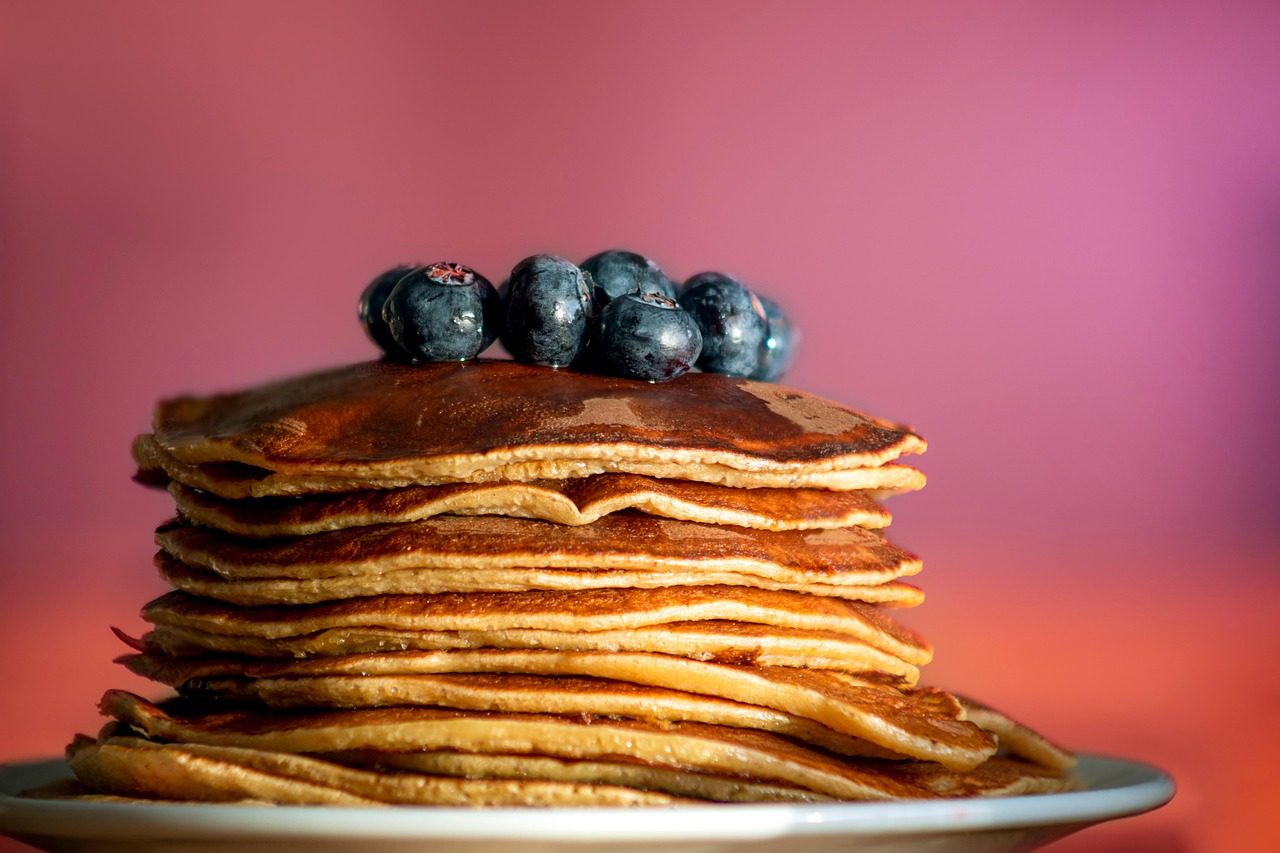
My pancake recipe calls for buckwheat flour pancake mix, because buckwheat flour has reduced gluten content and contains excellent nutrients.
I use other flours for crepes, cookies and cakes. In every case, the choice is for better nutrition.
Some of these flours are a little more expensive than bleached all-purpose flour, but these days, unbleached flours may be found on the supermarket shelf.
The bonus for the cook, aside from the convenience of one-stop shopping, is that unbleached flours, such as buckwheat, chickpea or chestnut, have more flavor.
Pureeing increases the surface area of the food pureed. Therefore the food must have a bigger taste to begin with or flavor is lost.
This is why the common complaint of those with swallowing disorders is that the food that comes from the commercial manufacturers and some food served in healthcare facilities (with no awareness of the science) has no taste. This is the report from a colleague, the former director of long-term care at an insurance company in Florida, whose job was to travel to healthcare facilities at all levels all over the state. The complaint was always the same,”boring tasteless food.”
Flours made from buckwheat, chickpeas and chestnuts have more flavor and have undergone less processing.
(The same is true of rye flour, although rye contains gluten.)
Here’s another secret: since most of these flours contain less gluten, they puree better. In the bowl of the mini-food processor or in the pitcher of a blender, gluten tends to get gummy. The gummy consistency is to be avoided when modifying the texture of food for the safe swallow. Sticks to the mouth. Compromises the swallow.
Cookies, cakes, flatbreads, pancakes, and crepes made with non-gluten flours puree better.
(The one exception is the panzanella salad, the classic Tuscan salad that is thickened with bread. This is because the bread is soaked in mild vinaigrette. It is a matter of food chemistry.)
In my cookbook Cooking for Dysphagia, The System is all about making food delicious. I bring the art of fine food, the trends of the food world, into the dysphagia kitchen.
I expand the variety of dishes made from delicious ingredients, while paying attention to the science of the safe swallow. This is the IDDSI Framework.
Variety eliminates patient boredom with all dishes resembling the same old same old.
Sometimes it’s just a question of knowing your options.
They don’t call me the Queen of Puree for nothing.
Note:
As for food storage, I recommend keeping unbleached flours refrigerated. I use sealed glass containers because bags may absorb moisture. Storage in the refrigerator prevents oils from going rancid. It also prevents insects. Pantry storage is fine for all-purpose flour if it is used within 6 to 8 months.
For a reliable resource on the nutritional content of ingredients, please consult Dr. Walter Willet’s book, Eat, Drink and Be Healthy.
Order the book: