
The Master Sauce Guide
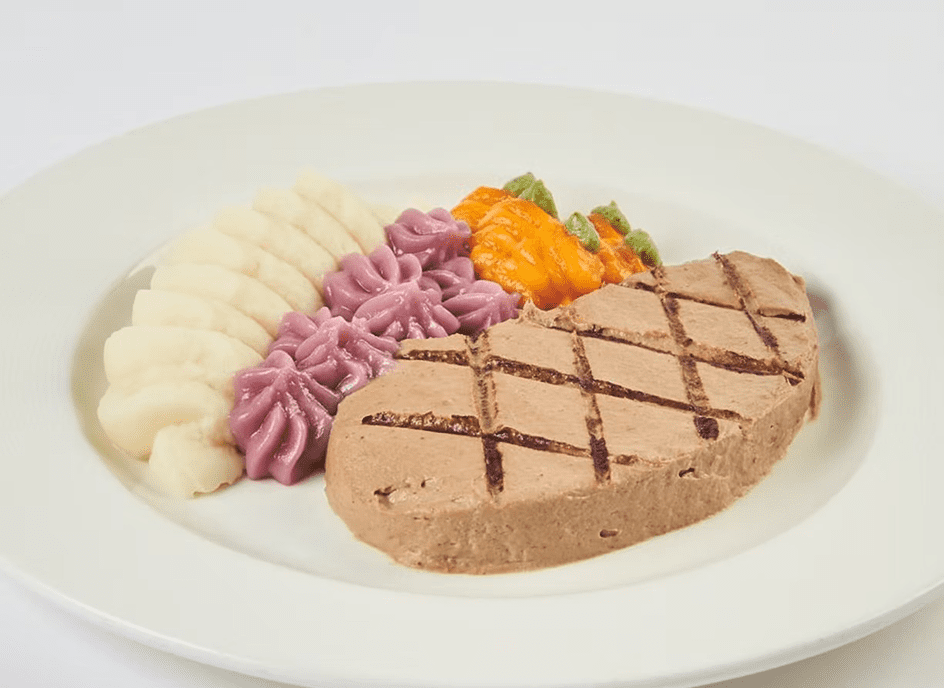
How to Get the Maximum Flavor, Texture and Nutrition into Your Puree
The biggest secret to the art of puree is the sauce, for the sauce carries the flavor. To determine which sauces you will use, begin by asking the favorite sauces of the individual who will eat the food. In all cases, please consult your healthcare provider. Please note: this list does not consider food allergies. The dysphagia patient cannot tolerate extremes of temperature in food, hot or cold.
Please do not consider this sauce list authoritative in any way. Please make a custom list to suit your own needs. The IDDSI website provides information for global cuisines, as the system may be applied to any cuisine in the world.
Here is a checklist.
I am not speaking of old-fashioned sauces made with a roux of flour and butter for these do not freeze as well nor do they puree as well. A light sauce that improves the texture of the puree and carries the flavor.
Make a great sauce or gravy or soup as a base for your dish. Homemade is good. I have recipes in the cookbook. Storebought is good if you buy lower sodium. Using leftover gravy from a dish is also a way to infuse flavor. If you make the pot roast recipe and have leftover gravy, freeze it. The same is true for chicken soup or the onion and pepper smother gravy.
The best sauces are tomato sauce, brown gravy, Alfredo sauce, barbecue sauce, or curry. All sauces must be mild, because one does not want the loved one to cough or aspirate.
A sauce may be made from a soup with a vegetable base. Some examples are: mushroom, onion, celery, butternut squash, or seafood chowder. For the pantry, I keep on hand a variety of soups, for creating a quick puree sauce with flavor
The sauce may be as simple as thickened broth, chicken broth, vegetable broth, beef broth, seafood broth. It could simply be water or milk.
It could be a dashi, from the Japanese kitchen, such as kombu dashi made with dried kombu or kelp. This is very light and works well with seafood.
I use coconut milk of the light variety in my curry sauce, of the mild variety.
Use vegetables for a nutrition boost. This may be mashed potatoes or braised greens, such as spinach. I keep the Southland brand of mashed butternut squash and mashed turnips in the freezer. These can be defrosted and added to a recipe in an instant, a tablespoon or two, boosting the nutrition. Two vegetables which I keep on hand frozen and are fantastic additions to purees are frozen peas and frozen spinach. Each boosts nutrition. They also add color. I pay attention to color with pureed food, as it adds to the visual appeal.
Another great ingredient for thickening puree is the zucchini pancake or even the potato pancake. I buy these frozen in the kosher section of the freezer department.
My mother adored baked sweet potato, so I soft baked them, mashed them and kept them frozen in single servings, on hand for thickening puree. One or two tablespoons add flavor and thickness. The nutritionals on sweet potatoes are superior to those of regular potatoes.
Tofu, whether firm or silken, is an excellent thickener for puree. Tofu has the added virtue of being a blank canvas as far as flavor is concerned. It will pick up the flavor of any dish, plus add nutrition. See packages for complete breakdown.
When making desserts, or fruit sauces for main courses, it is good to know that honey will thicken a sauce. I did not use refined sugars in my mother’s diet. Instead, I used stevia and also natural sugars, honey, maple syrup, and molasses (in barbecue sauce). See my book for recipes for fruit sauce. Thickened fruit sauce may be layered with yogurt to create a trifle, an English dessert. (Use a spoon and fork test to determine IDDSI safety.)
How much sauce is enough? I start with half a cup for one serving of a dish. I test and adjust from there.
The second great task of the sauce is to create the prescribed IDDSI level modified texture and test for it. Please refer to the chapter on implementing IDDSI by SLP Karen Sheffler in the book, and by referring to the IDDSI website. IDDSI.org
I make my own pesto with basil from my herb garden. It can be used to flavor anything from steamed fish to soup. Please add it after cooking when adding it to flavor protein. It freezes well. Recipe in Guidebook.
As to pasta sauce, with or without meat, I offer a recipe for homemade, but good storebought is good to have on hand.
Borscht is a traditional Russian soup made of beets. It is red and when pureed with boiled potato and sour cream, it is pink. In winter it can be served hot and in summer, it is traditionally served cold.
As to barbecue sauce, I am partial to the Stubbs line of sauces because they do not contain high amounts of sugar. Sometimes I make my own. I follow chef Bobby Flay’s recipes from the Food Network, because his barbecue sauces are very well balanced in terms of heat and sweet. They do not contain large amounts of vinegar, which can be difficult for the swallow of the patient.
A satay sauce from the Asian kitchen is tasty and uses peanut butter. I use lower sodium soy sauce in all my Asian dishes.
I use ice cream as a sauce for pureeing desserts, recipes included in book. A half cup of store bought ice cream was the perfect amount.
Cooking for Dysphagia and Other Swallow Disorders: 101 Delicious Recipes for Safe, Easy Eating may be ordered from Amazon or Barnes and Noble and wherever books are sold.
Order the book: